Specialized Pediatric Cardiac Catheterization Training Conducted in Idlib
As part of its ongoing mission to strengthen applied medical education and enhance the capacity of healthcare professionals in Syria, the SAMS Institute conducted a specialized clinical training activity during its pediatric cardiac surgery mission at SAMS Cardiac Hospital in Idlib.
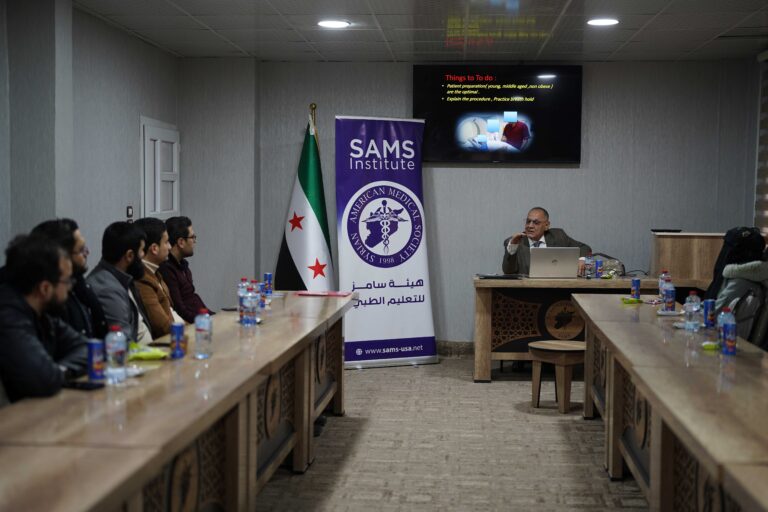
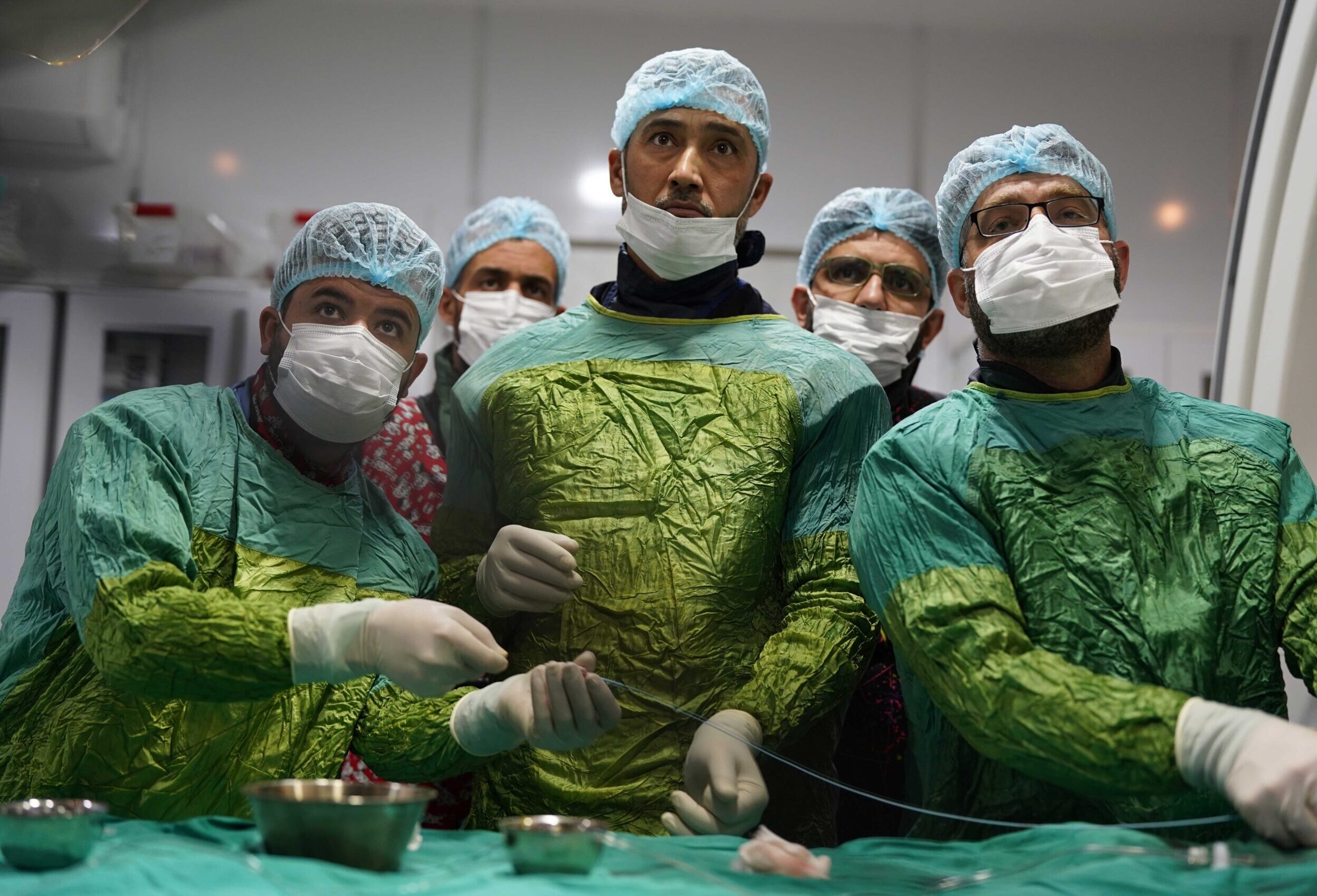
The training focused on cardiac catheterization procedures for both pediatric and adult patients, with particular emphasis on complex cases that are often difficult to perform in many medical centers.
The program was led by Dr. Basel Najras, a pediatric cardiology consultant, and aimed not only to perform therapeutic procedures but also to serve as a hands-on educational model for knowledge transfer and capacity building. Local cardiologists actively participated in all stages of the procedures step by step, enabling them to develop the skills and confidence needed to perform several of these interventions independently.
Dr. Najras stated:
“Our goal is not limited to conducting successful procedures during the mission days. We aim to empower local physicians with the knowledge and skills necessary to ensure that these specialized services remain available for children and patients in Syria for years to come.”
Direct clinical training of this kind has a lasting impact on medical education, particularly in highly specialized fields such as pediatric cardiac catheterization, where trained professionals remain limited within the country. Such initiatives contribute to strengthening physicians’ clinical expertise and confidence, ensuring the sustainability and improvement of specialized healthcare services.
The mission was implemented in collaboration with the Molham Volunteer Team and coordinated with the Ministry of Health, reflecting the importance of collaboration between medical, educational, and humanitarian institutions in supporting Syria’s healthcare sector.
The SAMS Institute for Medical Education continues to emphasize that investing in the training of physicians within their own hospitals is one of the most effective ways to strengthen local healthcare systems and improve patient outcomes.